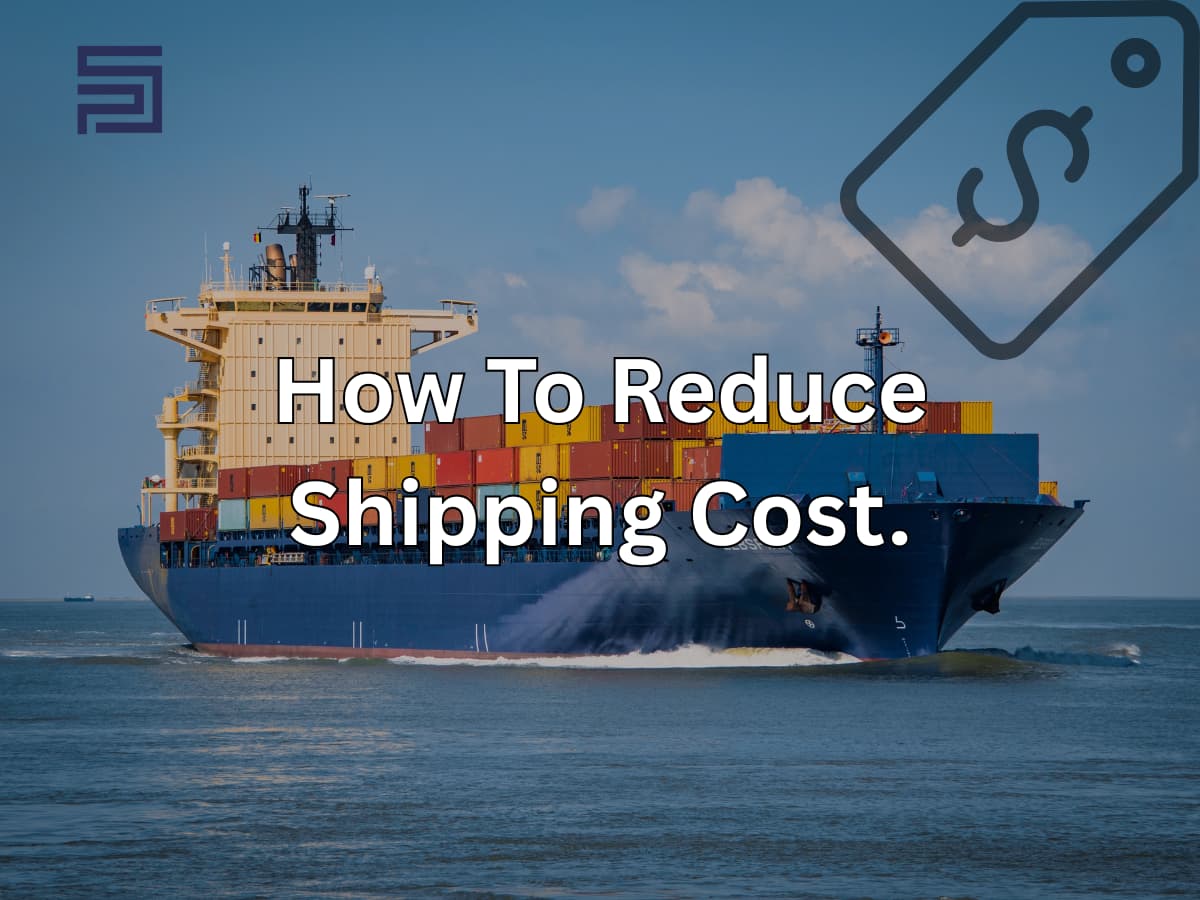

Shipping costs can quietly drain your profits.
In a market where customers expect fast and affordable delivery, cutting shipping expenses isn’t optional; it’s a matter of survival.
In this guide, we share proven strategies we have used for over 1,200 businesses to reduce shipping costs without sacrificing quality service.
Seeking immediate assistance in reducing your shipping costs? Contact our logistics experts, and we'll provide a customised cost-reduction plan for your business.
Why Shipping Costs Are So High Right Now
Before we delve into cost-reduction strategies, it's essential to understand why shipping costs have been increasing in recent years.
1. Rising Carrier Rates and Fuel Surcharges:
Major carriers have implemented regular rate increases, typically 5-7% annually. Rising fuel costs, labour expenses, and infrastructure investments often justify these increases.
Fuel surcharges, in particular, can add 10-20% to your total shipping bill depending on current oil prices and carrier policies.
2. Dimensional Weight Pricing Impact:
Carriers now charge based on dimensional weight (DIM weight) rather than actual weight for many shipments. This means a large, lightweight package can cost as much to ship as a small, heavy one.
Even if your package only weighs 10 lbs, you could be charged for 57.6 lbs. I recommend you check out this guide to understand chargeable or dimensional weight, as it is critical for cost management.
3. Distance and Shipping Zones:
The farther your package travels, the more it costs. Carriers divide regions into zones, with Zone 1 being closest and Zone 8 being farthest.
A package shipped to Zone 8 can cost three to four times more than the same package shipped to Zone 2.
4. Peak Seasons and Supply Chain Pressures:
During peak seasons (holidays, Chinese New Year, etc.), shipping rates can increase by 30-50%. Global events, port congestion, and supply chain disruptions also contribute to higher costs and longer delivery times.
5 Proven Ways to Reduce Shipping Costs
Now that you understand why shipping is expensive, let's explore actionable strategies to cut these costs without sacrificing service quality.
1. Negotiate Rates & Volume Discounts:
Many business owners simply accept the published carrier rates without realising these are starting points for negotiation, not always the final prices.
How to negotiate effectively:
- Document your shipping volume: Compile data showing your monthly shipping volume, average package weight, and destinations. Carriers and freight forwarders often offer better rates to businesses shipping 50+ packages per month.
- Compare multiple carriers: Get quotes from several shipping companies. Use competitive quotes as leverage during negotiations. You can visit our homepage to get our quotes.
- Ask for specific discounts: Request percentage discounts off published rates, reduced fuel surcharges, or waived residential delivery fees, if possible.
- Negotiate annually: As your volume grows, renegotiate your rates. Even a 5% discount can save you thousands of dollars annually.
2. Optimise Packaging:
Reducing package dimensions and weight is one of the fastest ways to cut shipping costs, especially given dimensional weight pricing.
Packaging optimisation strategies:
- Use custom-sized boxes: Instead of using standard box sizes that leave empty space, invest in custom boxes that fit your products snugly and efficiently. This reduces both size and the need for excessive packing materials.
- Switch to lightweight materials: Replace heavy cardboard with corrugated plastic or poly mailers when possible. Even reducing package weight by 1-2 ounces can lower costs significantly when shipping high volumes.
- Eliminate void fill: Excess packing peanuts, bubble wrap, and paper not only add weight but also increase package size. Use minimal, strategic cushioning.
- Measure and weigh accurately: Keep a digital scale and measuring tape at your packing station. Verify dimensions to ensure you're being charged correctly.
For example, you can reduce your average package size from 12" × 10" × 8" to 10" × 8" × 6" by switching to custom boxes. This change alone decreases your shipping costs by about 15% annually.
3. Consolidate Shipments:
Consolidation means combining multiple orders or items into fewer packages, significantly reducing per-unit shipping costs.
Consolidation strategies:
- Batch orders by destination: If you have multiple orders going to or coming from the same city or region, try to ship them together.
- Offer incentives for combined orders: Encourage your customers to purchase multiple items at once by offering free shipping thresholds.
- Use fulfilment centres strategically: Store inventory closer to your customers to enable order consolidation in specific regions.
For international shipments, consolidation is even more critical. At SARA, we help clients consolidate shipments, combining goods from multiple suppliers into a single container. This approach can reduce per-unit shipping costs from China or any parts of the world.
Contact our team today with the goods you need, and we will consolidate them with others in the same location.
4. Partner With 3PL & Fulfillment Centers:
Third-party logistics (3PL) providers and fulfilment centres can dramatically reduce shipping costs through economies of scale.
Benefits of 3PL partnerships:
- Negotiated carrier rates: 3PL companies, like SARA, ship millions of packages annually, securing rates lower than individual businesses can negotiate.
- Multiple warehouse locations: They leverage strategically located fulfilment centres to reduce average shipping distances and lower delivery zones.
- Expertise and technology: 3PLs invest in warehouse management systems, automation, and logistics expertise.
- Scalability: Easily handle seasonal volume fluctuations without investing in infrastructure.
Do you need a guide on when to consider a 3PL? Check out this article on the factors you need to consider.
5. Bulk Purchase Shipping Supplies:
Packaging materials add up quickly, especially for high-volume shippers. Buying in bulk can reduce these costs by 30-50%.
Do you need a trusted supplier for bulk purchasing? Our procurement experts at SARA work with verified suppliers in China and globally and can source your products efficiently and cost-effectively.
Take Note: Bulk purchasing requires storage space. You might want to consider calculating cost savings versus storage costs to ensure bulk buying makes financial sense.
How to Reduce International Shipping Costs
International shipping presents unique challenges and opportunities for cost reduction. Here's how to minimise expenses when shipping across borders.
1. Choose Cost-Effective International Freight Forwarders:
Different carriers excel in different regions.
Hence, knowing the expertise of the forwarder you are working with can help you a lot. Regional carriers often beat global giants on price for specific trade lanes.
International carrier selection tips:
- Research regional specialists: Carriers focused on specific trade routes often offer better rates.
- Compare costs: Don't just look at freight rates; include customs, duties, and delivery fees.
- Check service reliability: Cheaper isn't always better if shipments arrive damaged or late.
- Verify customs expertise: Carriers with strong customs brokerage can prevent costly delays.
At SARA, we specialise in shipping from China, Nigeria, the USA, and the UK, using our strong trade-lane expertise and established partner networks to deliver competitive rates and dependable service.
2. Consolidate International Shipments:
International consolidation offers even greater savings than domestic consolidation due to higher per-unit costs.
Consolidation strategies for international shipping:
- Combine suppliers: If you source from multiple Chinese manufacturers, have them move to our warehouse in China for consolidation
- Use freight forwarders: Companies like SARA consolidate shipments from multiple clients into full containers
- Plan ahead: Allow time for consolidation windows rather than shipping piecemeal.
- Consider partial pallets: LCL (Less than Container Load) consolidation shares container space with other shippers.
3. Avoid Unnecessary Customs or Brokerage Fees:
Customs clearance costs can add 5-15% to your total shipping expense if not managed properly.
How to minimise customs costs:
- Accurate classification: Ensure products have the correct HS codes to avoid penalties and get the appropriate duty rates.
- Proper documentation: Complete all paperwork correctly the first time to prevent delays and re-processing fees.
- Understand Incoterms: Choose Incoterms that align with your cost structure and risk tolerance.
- Use experienced customs brokers: Professional brokers prevent costly mistakes and expedite clearance.
At SARA, our customs brokerage services ensure smooth, cost-effective clearance for our clients. Our team stays current with changing regulations and maintains relationships with customs officials to facilitate efficient processing.
4. Consider Sea Freight for Heavy Shipments:
Air freight charges are based on weight, making it expensive for heavy or bulky items. Sea freight offers substantial savings for non-urgent shipments.
When to choose sea freight over Air freight:
- Shipments over 500 kg.
- Non-urgent deliveries (can wait 6-8 weeks).
- Bulky items with low value-to-weight ratios.
- Regular restock orders.
Cost-saving example: Shipping a 1,000 kg order from Guangzhou to Lagos costs approximately $10,000 by air freight but only $1,800 by sea freight; saving $8,200 per shipment. Note this is a rough estimate.
Want to learn more about sea freight options? Check out our guide on shipping costs.
Ship Your Goods With SARA
Reducing shipping costs doesn't mean cutting corners on quality or reliability.
By implementing the strategies outlined in this guide, you can significantly reduce your logistics expenses while maintaining or even improving service levels.
At SARA Procurement Services Limited, we’ve helped over 1,200 businesses cut shipping costs through tailored, end-to-end logistics solutions.
From air and sea freight to customs clearance, warehousing, fulfilment, and procurement management, our experts design cost-efficient strategies built around your business needs.
Contact SARA today for a free shipping cost analysis and discover how much you could be saving.


Comments
Please log in to leave a comment.